
 Schedule Land Work Now
How to Prep Your Property: Complete Guide to Land Clearing and Dirt Work
Assess Your Property and Identify Your Goals
Before any equipment touches your land, take time to walk the entire property and document what you’re working with. In the Burnet area, properties often feature a mix of cedar, mesquite, prickly pear, and native grasses that can obscure the actual terrain underneath. Identify which areas need clearing, where natural features like rock outcroppings or drainage patterns exist, and what you ultimately want the land to become, whether that’s a building site, pasture, driveway access, or recreational space.
Mark or flag any trees you want to preserve, existing fence lines, utility easements, and underground infrastructure. Many Central Texas properties have limestone just below the surface, which affects both clearing methods and grading requirements. Take photos from multiple angles and note seasonal water flow patterns, especially after recent rains. This documentation becomes invaluable when discussing your project with land clearing services and helps ensure accurate estimates.
Consider your timeline and budget alongside your vision. A phased approach, clearing building sites first, then access roads, then pasture areas, often makes more financial sense than tackling everything at once. Understanding your property’s specific conditions and your end goals shapes every decision that follows, from choosing the right clearing method to determining whether you’ll need additional dirt work or grading once vegetation is removed.
Understand Different Land Clearing Methods
The method you choose for clearing dramatically impacts both the immediate result and long-term land health. Traditional dozing pushes vegetation into piles for burning or hauling, which removes organic matter and often disturbs topsoil. This approach works for large-scale clearing but can leave soil exposed to erosion, particularly on the slopes common in Burnet County.
Forestry mulching has become the preferred method for many Texas landowners because it grinds vegetation in place, leaving a protective layer of organic mulch that suppresses regrowth, prevents erosion, and returns nutrients to the soil. Mulching services use specialized equipment to process trees up to eight inches in diameter, underbrush, and brambles into uniform chips. This method requires no burning permits, creates no debris piles, and typically costs less than traditional clearing because there’s no hauling or disposal.
Brush hogging works well for maintaining pastures and controlling lighter vegetation, but it cuts rather than removes plants, meaning they’ll regrow from the roots. For fence lines and property boundaries, fence line clearing creates defined edges and improves access for maintenance. The right method depends on your vegetation density, soil type, future land use, and budget. Many projects benefit from combining techniques, forestry mulching for wooded areas, grading for building sites, and brush hogging for ongoing pasture maintenance.
Plan for Grading and Dirt Work Requirements
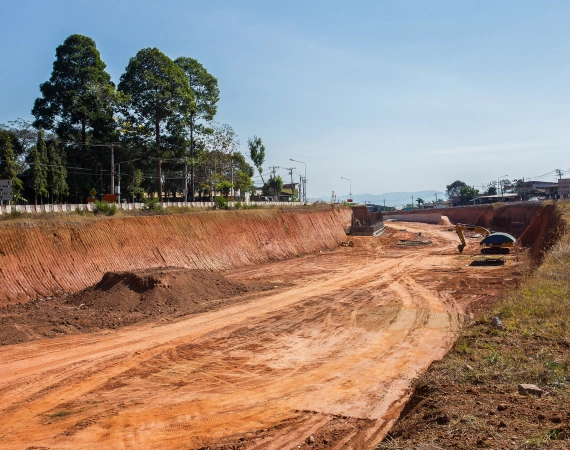
Once vegetation is cleared, the actual shape and grade of your land becomes visible, often revealing drainage issues, low spots, or slopes that need correction. Proper grading directs water away from structures, prevents standing water that attracts mosquitoes, and creates stable foundations for buildings, driveways, and roads. In Central Texas, where sudden heavy rains can move significant amounts of soil, thoughtful grading protects your investment and prevents erosion.
Building sites typically require cut-and-fill work to create level pads, while driveway installation demands proper base preparation and crown grading for water runoff. If you’re planning a pond, the excavation dirt can often be used for building pads or road bases elsewhere on the property, reducing material costs. Many landowners underestimate the amount of dirt work needed; what looks relatively flat under brush may reveal significant elevation changes once cleared.
Land grading services begin with surveying the site, establishing drainage patterns, and determining cut and fill locations. Soil composition matters, the clay-heavy soils common around Burnet compact differently than sandy loam, affecting foundation stability and drainage. Professional grading equipment can shape land precisely, create retention features, and prepare surfaces for aggregate base or concrete. Planning your grading before clearing begins helps sequence the work efficiently and can reduce the number of times equipment must mobilize to your property, which directly impacts your total project cost.
Choose the Right Time and Season for Your Project
The difference between a well-executed land clearing project and a costly disappointment often comes down to contractor selection. Look for businesses with the specific equipment your project requires, forestry mulchers, dozers, excavators, or motor graders, and ask to see recent projects similar in scope to yours. In the Burnet area, contractors familiar with local soil conditions, native vegetation, and seasonal weather patterns deliver better results than operators learning on your property.
Request detailed written estimates that specify the clearing method, equipment to be used, timeline, and what’s included. Clarify whether the bid covers fence line workstump removal, rock picking, final grading, or just initial vegetation removal. Understanding exactly what you’re paying for prevents surprise charges and scope creep. Ask how the contractor handles unexpected conditions like buried debris, rock ledges, or wet weather delays.
Check references and, if possible, visit completed projects to see the quality of finish work. A good land clearing contractor will discuss erosion control, suggest phasing if your budget is tight, and explain how different approaches affect your timeline and final result. They should be able to coordinate multiple phases, clearing, grading, road building, and drainage work, so each step sets up the next properly. The cheapest bid rarely delivers the best value; focus instead on contractors who demonstrate knowledge of your land type, communicate clearly, and have the right equipment to complete your specific project efficiently. Taking time to choose the right partner for your land clearing and dirt work pays dividends in results that match your vision and stand the test of Central Texas weather.
Maintain Your Cleared Land for Long-Term Success
Timing your land clearing project can significantly affect both the ease of execution and the final cost. In Central Texas, the cooler months from late fall through early spring offer the best conditions for most clearing work. The ground is typically firmer, making it easier for heavy equipment to maneuver without creating ruts or compaction issues that plague wet-season projects.
Summer heat can make brush hogging and mulching more challenging, but it’s also when vegetation is most visible and easier to identify. If your property includes invasive species like cedar or mesquite, clearing during their active growth season can help prevent rapid regrowth. However, drought conditions common to the Burnet and Marble Falls areas during summer can create fire hazards when using traditional burn methods, making forestry mulching a safer year-round alternative.
Consider your project timeline and intended use when scheduling. If you’re planning to build, coordinate clearing with your construction schedule to avoid having bare soil sit exposed through heavy rain seasons, which can lead to erosion. For pasture improvement or fence line clearing, timing the work before spring green-up allows you to see exactly what you’re working with and gives new grass the best chance to establish.
